Russian vs. Thousand Island: Unraveling the Iconic Dressings
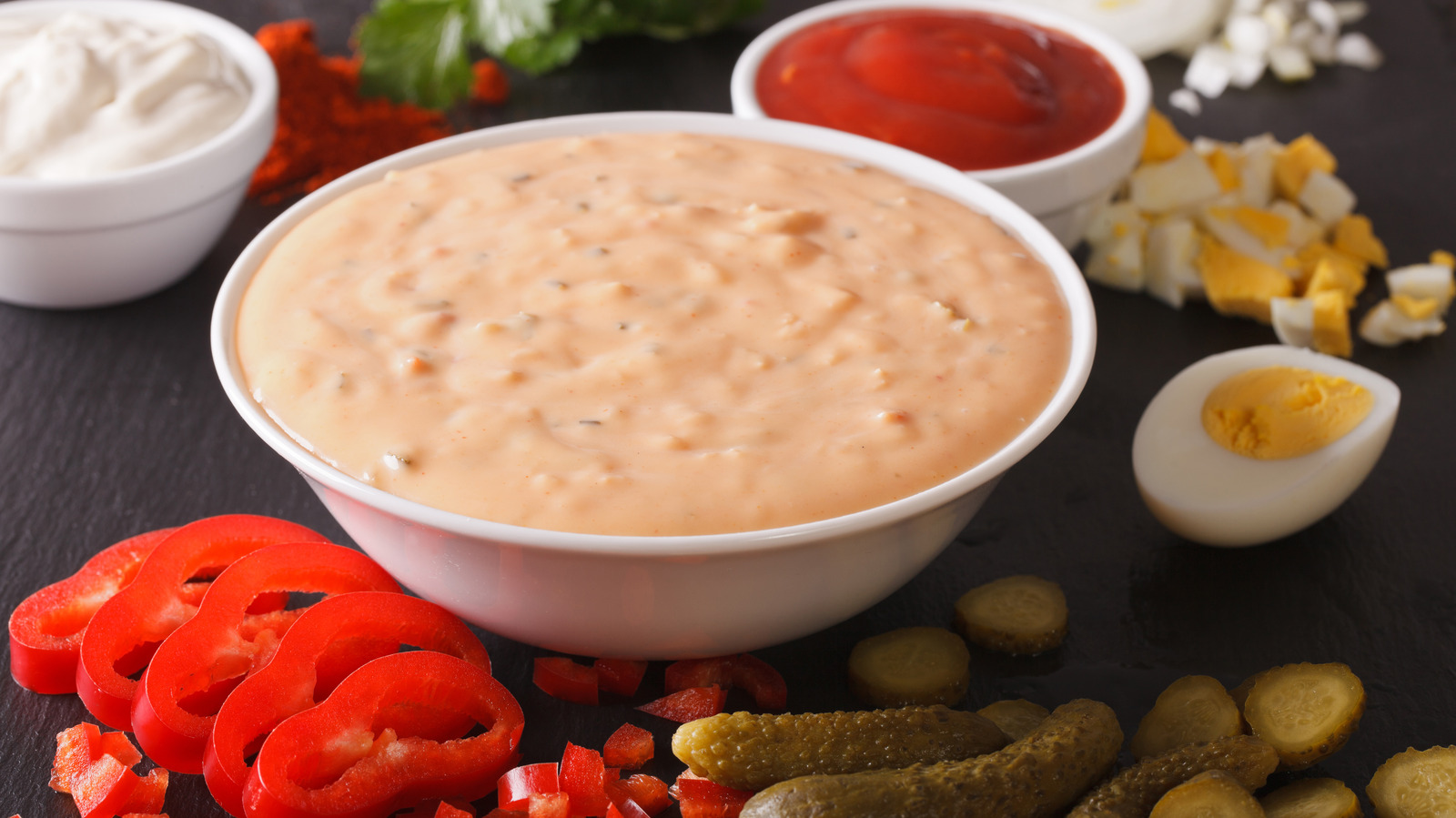
In the vast world of condiments, few pairings cause as much culinary confusion as Russian dressing and Thousand Island dressing. At first glance, these rosy-hued, creamy concoctions seem almost identical, often mistaken for one another or even used interchangeably. Yet, beneath their similar appearances lies a distinct flavor profile and ingredient list that sets each dressing apart. Understanding these nuances isn't just about trivia; it's about elevating your meals, ensuring the perfect pairing for everything from salads to sandwiches.
This article delves deep into the heart of both dressings, exploring their origins, core ingredients, unique characteristics, and ideal uses. By the end, you'll be able to confidently distinguish between the tangy, savory complexity of Russian dressing and the sweeter, often chunkier charm of Thousand Island.
The Allure of Russian Dressing: A Deeper Dive into Savory Tang
Despite its evocative name, Russian dressing is a true American invention, hailing from New Hampshire in the early 1900s. Legend has it that its "Russian" moniker might have come from an original inclusion of caviar, a staple of Russian cuisine, though this ingredient is long absent from modern recipes. Today, it stands as a celebrated condiment, perhaps most famously known as the essential spread on the iconic Reuben sandwich, where its robust flavor perfectly complements the corned beef, sauerkraut, and Swiss cheese.
Core Ingredients and Flavor Profile:
The foundation of a classic Russian dressing is built upon a blend of simple yet impactful ingredients, culminating in a dressing that is distinctly savory, tangy, and often possesses a subtle kick:
- Mayonnaise: This creamy base provides the luxurious texture and richness. You can opt for traditional mayonnaise, a lighter version to reduce fat content, or even a plant-based alternative for a vegan twist, without sacrificing the essential creaminess.
- Ketchup: Responsible for its characteristic rosy-pink color and a touch of underlying sweetness, ketchup balances the other sharper flavors.
- Pickle Relish: A crucial ingredient for both flavor and slight texture. You have a choice here: dill relish will impart a more pronounced tang and savory pickle flavor, while sweet relish will soften the edges slightly, adding a hint of sweetness. If you're out of relish, finely minced dill or sweet pickles make an excellent substitute.
- Lemon Juice: Freshly squeezed lemon juice is paramount. It brightens the entire dressing, providing a vibrant, acidic counterpoint to the richness of the mayo and the sweetness of the ketchup.
- Worcestershire Sauce: This is arguably the defining ingredient that sets Russian dressing apart. Worcestershire sauce delivers a profound umami depth and a complex, savory flavor profile thanks to its fermented ingredients (including anchovies, so vegetarians should seek out vegan Worcestershire alternatives). This element is key to Russian dressing's less sweet, more complex character.
While the above forms the classic base, many homemade Russian dressing recipes embrace a bolder side. Common additions for an extra layer of complexity and spice include hot sauce, chili sauce, or prepared horseradish. These ingredients contribute to Russian dressing's potential for a significant spicy punch, distinguishing it further from its milder cousin. Some variations even include grated onion or shallots for a sharper, aromatic note, or smoked paprika for a hint of smoky warmth.
Unpacking Thousand Island Dressing: Sweetness with a Textured Charm
Like Russian dressing, Thousand Island dressing also boasts an American origin, reportedly named after the Thousand Islands region along the St. Lawrence River. It shares the same foundational base of mayonnaise and ketchup, contributing to its similar creamy texture and inviting pinkish-orange hue. However, the similarities largely end there, as Thousand Island carves its own niche with a distinct emphasis on sweetness, a milder flavor profile, and a signature texture.
Key Distinctions and Ingredients:
Thousand Island dressing is characterized by its:
- Sweeter Profile: It generally contains more sugar or sweet elements than Russian dressing, resulting in a noticeably sweeter taste.
- Milder Tang: While it has some tang, it's typically less pronounced than the sharp acidity found in Russian dressing.
- Hard-Boiled Eggs: This is the traditional, defining ingredient for Thousand Island dressing. Finely chopped hard-boiled eggs are mixed in, providing a unique richness, creaminess, and a delightful, slightly grainy texture that helps bind the dressing and sets it apart.
- Additional Chopped Vegetables: Beyond eggs, Thousand Island often includes a medley of finely diced vegetables such as bell peppers (red or green), chives, green olives, or even a touch of pimento. These additions contribute to its characteristic chunky texture and add subtle layers of flavor.
- Absence of Worcestershire Sauce: Unlike Russian dressing, Thousand Island traditionally omits Worcestershire sauce, thus lacking that deep umami savoriness.
The overall experience of Thousand Island is one of creamy sweetness, often punctuated by the soft bite of finely chopped ingredients. It's a comforting, familiar flavor that appeals to a broad palate, making it a perennial favorite for salads and dips.
Russian Dressing vs. Thousand Island: A Side-by-Side Showdown
To truly appreciate the individuality of these two popular condiments, let's lay out their differences in a clear comparison:
| Feature | Russian Dressing | Thousand Island Dressing |
|---|---|---|
| Overall Flavor Profile | More savory, tangy, and often spicier. Characterized by deep umami. | Sweeter, milder, and creamier. Less tangy and savory. |
| Key Distinguishing Ingredients | Worcestershire sauce, lemon juice, often horseradish/hot sauce. | Finely chopped hard-boiled eggs, often bell peppers/olives. |
| Texture | Generally smoother, with fine relish pieces. Can be very smooth if relish is omitted. | Creamier, often with discernible chunks from eggs and other finely diced vegetables. |
| Acidity/Tang | Pronounced and bright, thanks to lemon juice and often dill relish. | Milder, less sharp acidity. |
| Sweetness Level | Subtle sweetness from ketchup, balanced by savory and tangy notes. Less sweet overall. | More prominent sweetness, making it more appealing to those who prefer milder condiments. |
In essence, if you're looking for a condiment with a complex, savory depth and a zesty kick, Russian dressing is your go-to. If you prefer a dressing that is sweeter, creamier, and offers a pleasant textural variety, Thousand Island will likely be your preference. A simple taste test usually reveals the difference immediately, especially if you're looking for that Worcestershire punch or the texture of hard-boiled egg.
Beyond the Bottle: Crafting Your Own Dressings
While both dressings are readily available in stores, there's immense satisfaction and flavor reward in making them from scratch. Homemade versions allow you to control the quality of ingredients, adjust flavors to your preference, and avoid unwanted preservatives.
Homemade Russian Dressing: Simple and Customizable
Making your own Russian dressing is surprisingly simple. With just five core ingredients – mayonnaise, ketchup, lemon juice, relish, and Worcestershire sauce – you can whip up a batch in about five minutes. This allows for incredible customization:
- Spice Level: Add a few dashes of your favorite hot sauce or a teaspoon or two of prepared horseradish for an extra fiery kick.
- Relish Choice: Experiment with dill or sweet relish to fine-tune the tang and sweetness.
- Umami Boost: For even more depth, a tiny bit of smoked paprika or a finely grated shallot can be transformative.
For a detailed guide on creating this versatile condiment, check out our article on how to Make Creamy Russian Dressing: 5 Ingredients, 5 Minutes. Homemade Russian dressing can be stored in an airtight container in the refrigerator for up to a week, ensuring you always have a fresh batch on hand.
Crafting Your Thousand Island
Similarly, making Thousand Island at home offers creative freedom. You can finely chop your own hard-boiled eggs, ensuring the perfect texture, and choose your preferred balance of sweet relish, bell peppers, or other additions. Adjust the amount of sugar or honey to achieve your desired sweetness, and perhaps a touch of cider vinegar for a brighter tang. The homemade route guarantees a fresh, vibrant flavor that store-bought versions often lack.
Versatile Applications for Both Condiments
Once you've mastered the art of distinguishing and perhaps even making your own dressings, the culinary possibilities are endless.
The Versatility of Russian Dressing
Russian dressing is far more than just a Reuben component. Its robust flavor profile makes it an excellent choice for:
- Sandwich & Burger Spread: It transforms an ordinary burger or sandwich into a gourmet experience, acting much like a "secret sauce."
- Salad Dressing: Perfect for crisp green salads, wedge salads, or as a vibrant dressing for pasta salads.
- Dip: An incredible dip for crispy fries, chicken tenders, onion rings, or a colorful crudité platter.
- Seafood Accent: A tangy accompaniment to grilled or fried fish.
Explore more innovative ways to use this condiment in our article: Upgrade Your Meals: The Versatility of Russian Dressing.
Thousand Island's Culinary Contributions
Thousand Island dressing, with its sweeter and milder character, shines in different applications:
- Classic Salad Dressing: A beloved choice for a simple iceberg lettuce salad or a Cobb salad.
- Seafood Sauce: Its sweetness pairs wonderfully with seafood, making it a popular choice for shrimp cocktail or as a dip for crab cakes.
- Burger & Sandwich Spread: Offers a milder, sweeter alternative to Russian dressing on burgers or deli sandwiches.
- Dip: A flavorful dip for raw vegetables, chips, or even as a topping for baked potatoes.
Conclusion
While often conflated, Russian dressing and Thousand Island dressing are distinct culinary entities, each offering a unique flavor journey. Russian dressing delivers a punch of savory umami, bright tang, and often a spicy kick, making it the perfect counterpoint to rich meats and robust salads. Thousand Island, conversely, provides a sweeter, creamier, and texturally varied experience, appealing to those who favor milder, more comforting flavors. By understanding their individual characteristics and key ingredients, you can confidently choose the right dressing for any dish, elevating your meals and satisfying your palate with precision and delight.
